PhD-students and post.docs in SpedAims
We aim to build a strong and supportive environment for early-career researchers across institutions and work packages.
PhD-students

Anne Mari Høgetveit
PhD Research Fellow at The Department of Education, University of Agder.
Work package: SpedAims Kohort
About my project
There is broad consensus that language skills are crucial for children's learning and academic achievement. Children with Developmental Language Disorder (DLD) are therefore at increased risk of developing learning difficulties. Research has shown a higher prevalence of mathematical difficulties among children with DLD compared to peers without language difficulties. Studies have also demonstrated a strong overall correlation between language and mathematical skills, also in children with a typical language development, although the nature of this relationship is not yet fully understood. It remains unclear which specific language skills are most critical, what role underlying cognitive abilities – such as working memory and intelligence – play, and how the relationship between language and mathematics develop over time.
The overarching aim of this PhD project is to examine the relationship between language and mathematics, both in children with and without DLD. The project will explore how language skills contribute to the development of mathematical abilities, both directly and indirectly through cognitive skills. This may provide a stronger knowledge base for how the development of mathematical skills can be supported, and how difficulties in mathematics can be better understood and prevented.
The PhD project is part of the SpedAims Cohort work package, which follows the development of various skills in a large group of children from the age of four and into the school years. The project is based on longitudinal data from this observational study. In addition, a meta-analysis is being conducted to synthesize existing research on mathematical skills in children with DLD.

Ida Wiik Sætherskar
PhD Research Fellow at The Faculty of Education and Arts, Nord University.
Work package: SpedAims Kohort
About my project
Language skills are important for learning and development, and they have a lasting impact on several aspects of life, such as academic and social participation in society. Furthermore, approximately one in five four-year-olds experience delayed language development, and around one in fourteen have a developmental language disorder. These aspects make language an important area of research and highlight the importance of identifying children who struggle with language as early as possible, in order to provide early intervention and support.
Early childhood education and care (ECEC) teachers are in a unique position to identify these children and often serve as gatekeepers to further support. It is therefore important to investigate how well ECEC teachers are able to judge or evaluate children’s language skills accurately, so that children with language difficulties can be identified as early and precisely as possible.
Research has already examined how accurate school teachers’ judgments of children’s academic skills are, but there is a need for more research on ECEC teachers’ judgments of language skills in early childhood education and care settings. The goal of my project is to investigate how ECEC teachers judge young children's language skills.
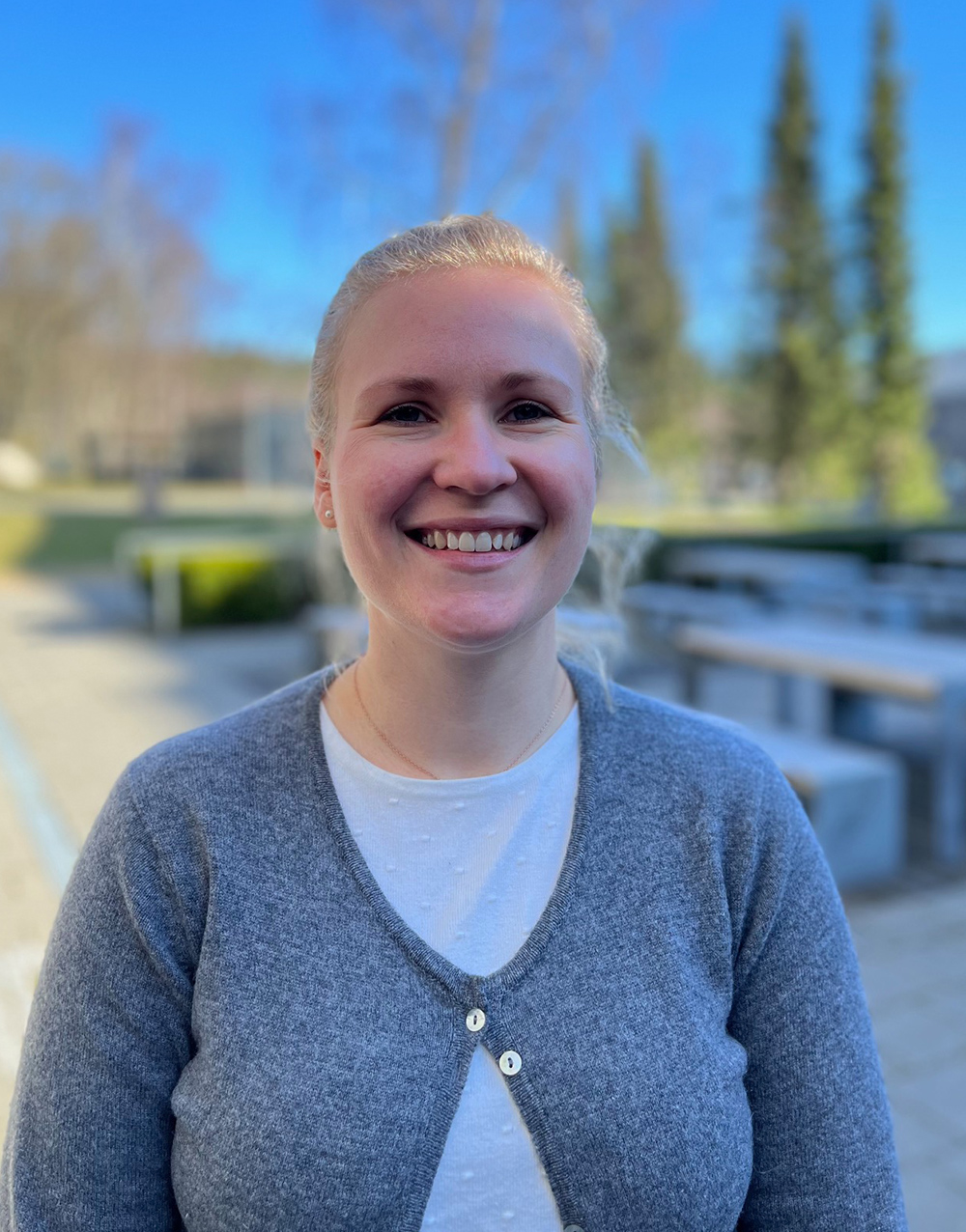
Malin Dalby Silkstone
PhD Research Fellow at The Department of Education, University of Bergen.
Work package: SpedAims Kohort
About my project
Research indicates that there may be as many children with Developmental Language Disorder (DLD) as with dyslexia. Despite this, DLD remains relatively unknown among teachers and other professionals, and these children are at risk of being identified late in their school years or being misdiagnosed with learning or behavioral difficulties. This is concerning, especially given that best practice emphasizes early identification and early intervention.
DLD is a lifelong condition, though the need for support and assistance may vary depending on age and context. While previous research has provided insight into older children with DLD—and although more knowledge about this group is still needed—we know less about younger children between the ages of four and six.
The aim of this project is therefore to gain more knowledge about the early identification of children who have or are at risk of developing Developmental Language Disorder, and to learn more about how language skills develop over time, from early childhood and into the school years.

Mari Sommer Hoel
PhD Research Fellow at The Norwegian Centre for Reading Education and Reading Research, University of Stavanger.
Work package: SpedAims Kohort
About my project
Pragmatic language skills refer to the use of language in different situations and are closely linked to social norms and context. Pragmatic difficulties, also known as Pragmatic Language Impairment (PLI), describe challenges related to the use of language in various social settings. The diagnostic manuals ICD-11 and DSM-5, as well as the research literature, use varying terms to describe such difficulties.
My Phd project, part of the SpedAims Kohort project, examines the characteristics of children with pragmatic difficulties and how the research literature has addressed this challenge. I will also examine the boundaries between PLI, autism, and developmental language disorders, as these conditions share many overlapping difficulties.

Camilla Porsanger
PhD Research Fellow at The Faculty of Education and Arts, Nord university.
Work package SpedAims Language of the Heart
About my project
According to UNESCO, North Sámi is classified as a threatened language, while Lule Sámi and South Sámi are considered seriously endangered. The Sámi people have been subjected to a forceful process of assimilation (Norwegianization), during which they were pressured to abandon their own language. As a result, they have also lost significant aspects of their values, beliefs, and way of life. According to the Norwegian Ministry of Education, the lack of Sámi language competence is the greatest challenge to providing adequate services to the Sámi population. This highlights the need for special developmental support for Sámi children to help them grow in alignment with their language, identity, and cultural background.
We need more knowledge about the current situation and about what hinders or promotes positive language development among Sámi children. Sámi languages are therefore a critical area of research—both for the revitalization of these languages and for ensuring that Sámi children receive high-quality educational support in preschool and early schooling. The purpose of this PhD project is to gain a deeper understanding of how we can support Sámi children’s language development in early childhood education and care. The study will therefore map the language skills of Sámi four- and five-year-olds to identify factors that support language development and learning in this group.

Elin Nordbø
PhD Research Fellow at The Faculty of Arts and Education, University of Stavanger.
Work package: SpedAims ABC123
About my project
Prior research has established that students’ language and mathematical skills are crucial for later academic success and career development. Moreover, those skills are interrelated, meaning there is a correlation between student’s language skills and their mathematics. However, it remains unclear whether improving students’ language skills will enhance their mathematics. This research gap will be addressed in my first study; a meta-analysis synthesizing language intervention reporting mathematical outcomes.
The second study will build on the studies included in the meta-analysis by conducting an in depth qualitatively systematic review evaluating the interventions. Key factors, such as duration, instructional method, age of participants, targeted language skills, mathematical outcome, presence of learning difficulties, and study quality will be analyzed. The aim is to identify conditions under which language interventions effectively support mathematical learning - insights that are essential for informing future educational practices and research.
In the third study, data from SpedAimsABC123 will be utilized to explore to what extent language skills predict mathematical achievement. The study aims to assess whether language proficiency can serve as an early indicator of mathematical performance. The findings may guide early interventions and support efforts by educators and/or parents to prevent later difficulties in mathematics.
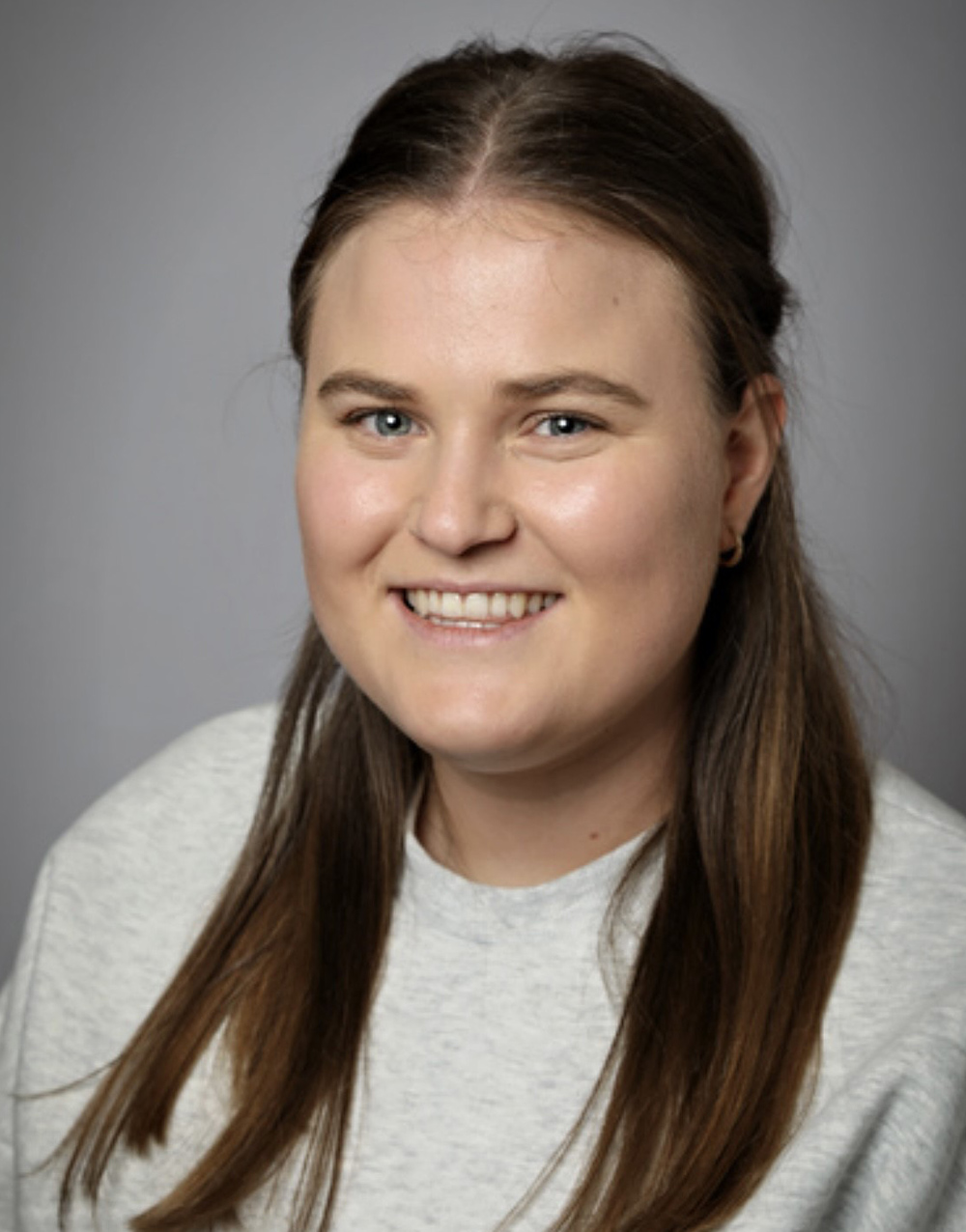
Ellinor Waaland
PhD Research Fellow at The Norwegian Centre for Reading Education and Reading Research, University of Stavanger.
Work package: SpedAims ABC123
About my project
Previous research has demonstrated that students with mathematics difficulties are more than twice as likely to also have reading difficulties. Despite this, there remains limited knowledge about the characteristics of students with co-occurring difficulties in both mathematics and reading, as well as knowledge on how to best support their learning. This doctoral project, which is a part of SpedAims ABC123, aims to address these questions and contribute new knowledge to the field.
The first study of the dissertation will evaluate the effectiveness of mathematics interventions for students with co-occurring difficulties in mathematics and reading. In addition, the study will investigate the characteristics of effective interventions for this group of students. The second study will use latent profile analysis to explore potential subgroups among students with co-occurring difficulties. The third study will investigate which factors can predict later outcomes in mathematics and reading among students with co-occurring difficulties in mathematics and reading.
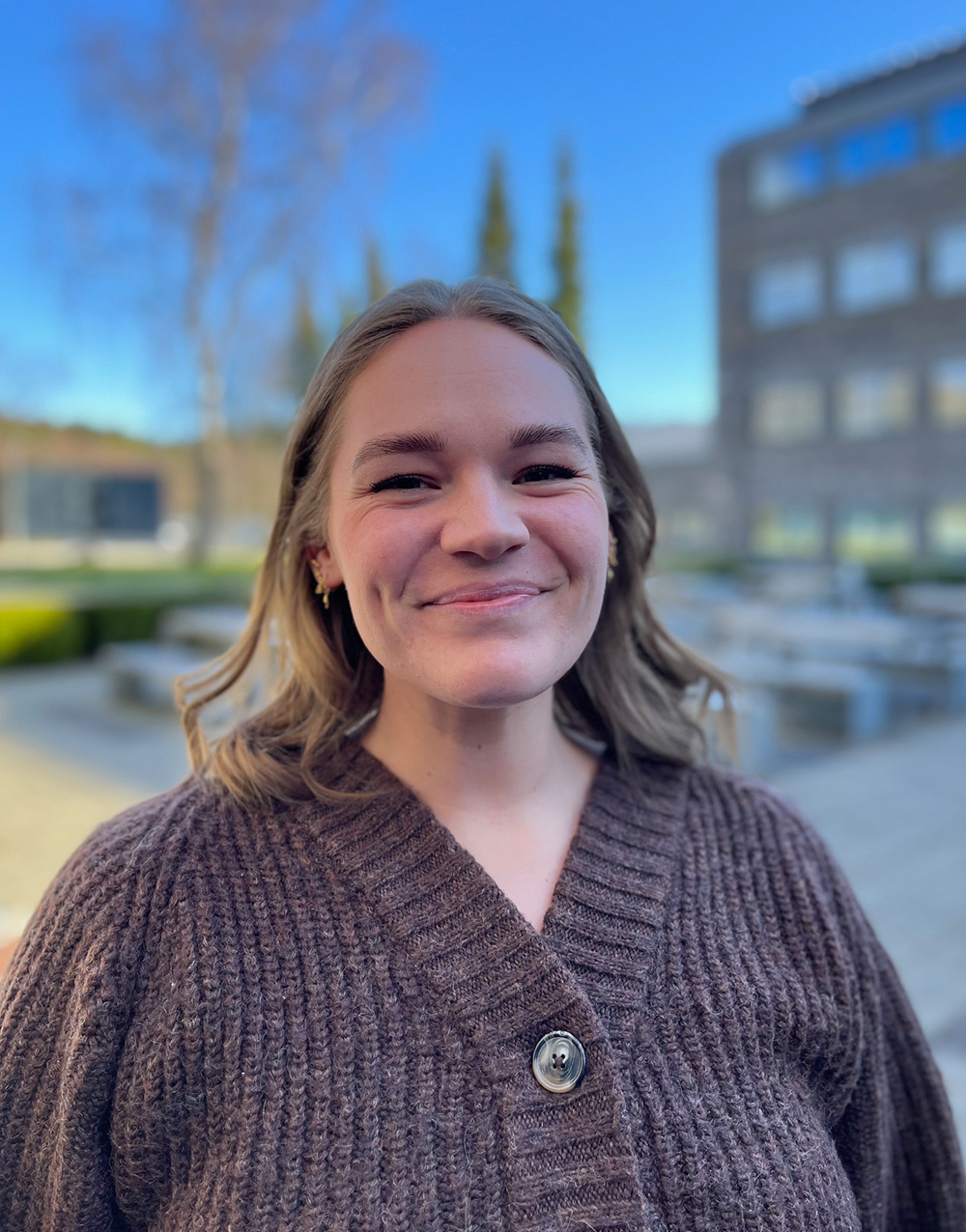
Helene Hallaråker
Stipendiat ved Institutt for pedagogikk, Universitetet i Bergen.
Arbeidspakke: SpedAims ProCIP
About my project
Educational Psychological Services (EPS) play a critical role in the assessment and follow-up of children and pupils with special needs. To ensure that children and young people receive timely and appropriate support, the surrounding support system must function effectively. Interprofessional collaboration is widely recognized as a prerequisite for inclusive practice for children with special needs.
The primary aim of this doctoral project is to investigate the characteristics of interprofessional work involving EPS, presented through three articles. To gain insights into EPS’s interprofessional collaboration practices, a national questionnaire was distributed to all EPS offices across Norway.
The first article will present a scoping review exploring the key characteristics of interprofessional collaboration between EPS and schools. The second and third articles will draw on data collected from the national survey. Article two will examine how EPS counselors assess their own knowledge about collaboration and explore the relationship between perceived knowledge about collaboration and the quality of collaboration with external partners such as health services, schools, kindergartens, child welfare services, parents, and children. The third article will investigate the factors that predict the quality of collaboration between EPS and these external partners.

Nadia Abu-Salah
PhD Research Fellow at The Department of Education, University of Agder.
Work Package: SpedAims TUPP
About my project
There is an increasing use of digital tools in schools. In special education, digital tools are typically divided into two main categories: assistive technology and instructional technology. Assistive technology includes tools and services that support students with learning difficulties, while instructional technology involves specialized software and hardware designed to enhance general learning and educational outcomes.
Within special education, particularly for students with intellectual disabilities, the focus has primarily been on the use of assistive technology. The goal is to maintain or improve students’ independence and participation in learning activities. Studies have shown positive results, especially in reading and writing instruction as well as in the development of language and communication skills. Much of the technology used in earlier studies is now outdated, creating a need for research into the use of digital tools in primary schools among students with intellectual disabilities.
The overarching aim of the PhD project is to develop more modern and effective digital resources for students with intellectual disabilities. The research will explore two different approaches to the use of digital tools for this group of students. The first approach focuses on expanding access to learning activities in reading and writing by implementing speech technology, including digital dictation and speech synthesis. The second approach is designed to improve students’ language competence through a language stimulation intervention called Down Syndrome LanguagePlus (DSL+).

Anna Lange Moi
PhD Research Fellow at The Norwegian Centre for Learning Environment and Behavioral Research in Education, University of Stavanger.
Work package: SpedAims TUPP
About my project
Today, we know a great deal about the consequences of bullying and about what schools can do to stop it. For decades, research has shown that bullying is a serious issue that can leave deep and long-lasting marks on individual students and entire classrooms. We also know that there is a high risk that bullying may recur, or that its consequences may persist, even after schools have managed to stop the bullying itself. What we know less about is how schools can systematically follow up with students and classes after bullying has ended, in order to prevent negative consequences and stop new incidents from arising. This PhD project therefore explores how we can support individual students and entire classes after bullying has ceased.
The first study is a systematic review of the characteristics of existing research on post-bullying follow-up measures for students. In the next two studies, I will examine the effectiveness of an intervention aimed at follow-up after bullying. In these studies, schools will implement measures directed both at the student who has been exposed to bullying and the class that was involved. To assess the effects of this intervention, I will observe the interaction patterns of previously bullied students and analyze how classroom reflections on the learning environment develop during the intervention period.
Post.docs
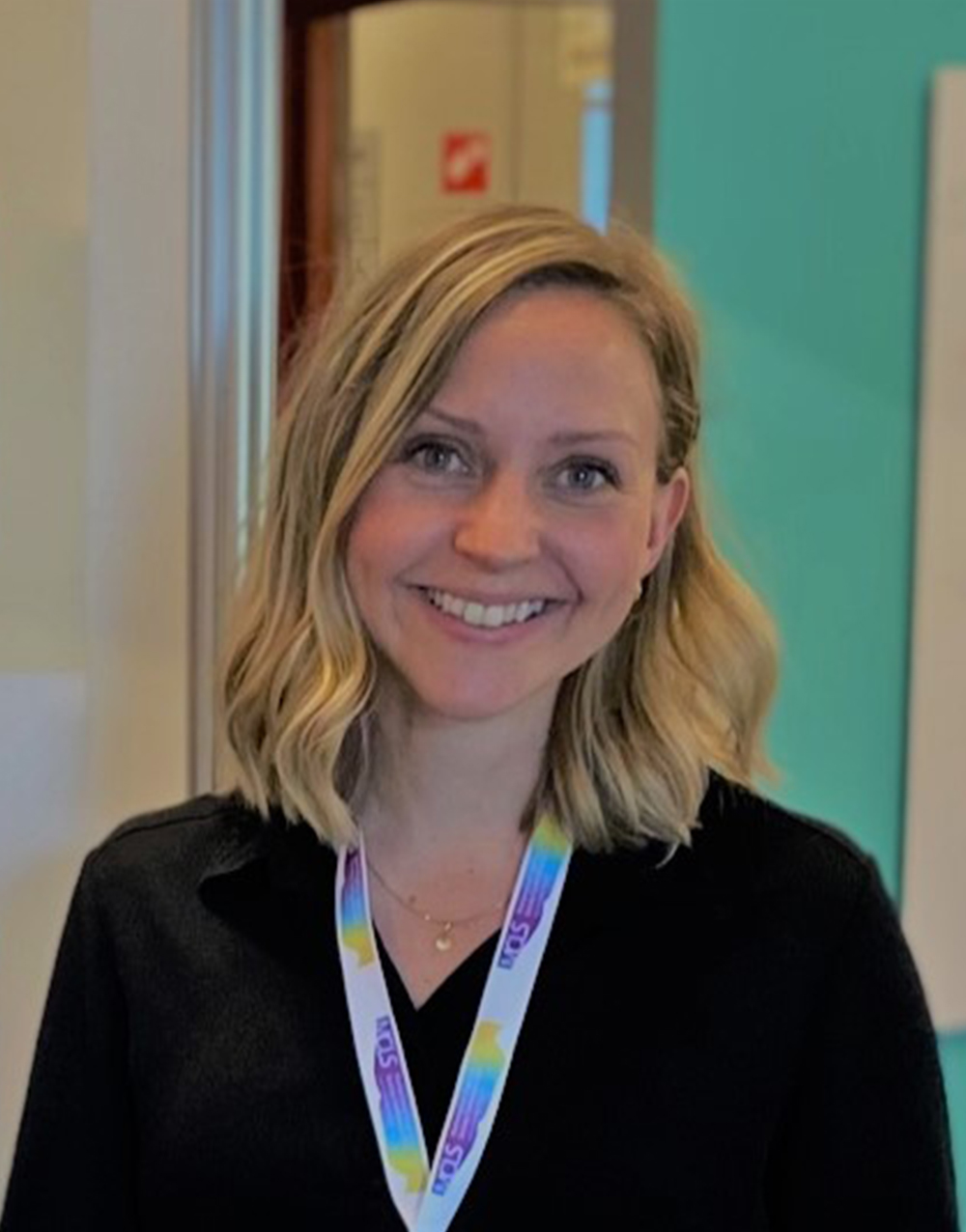
Tonje Amland
Post.doc at The Department of Special Needs Education, University of Oslo.
Work package: SpedAims ABC123
About my project
In my doctoral dissertation, “Cognitive Precursors to Mathematical Competence,” my coauthors and I identified a number of longitudinal predictors of mathematical competence. Through two longitudinal observational studies and a meta-analysis of cognitive predictors, we challenged and revised theoretical models intended to explain the development of mathematical understanding. We found that both domain-specific predictors, such as making the connection between magnitudes and number symbols, and domain-general predictors, such as language skills and nonverbal intelligence, are important for the development of mathematical understanding from kindergarten to adolescence. In addition, we confirmed the substantial relationship between early numeracy and literacy skills, and investigated which cognitive processes underlie development in both skill areas.
As a postdoctoral fellow, my goal is to build on this knowledge to assess whether interventions that focus on the strongest of these predictors can support development in children who struggle with both numbers and reading. In the work package ABC123, we have designed a randomized control study that investigates this. Through focused and systematic work with both number-symbols and letter-sounds, text and arithmetic, we hope that the children who struggle the most at the start of first grade will be able to experience increased mastery and understanding in learning the basic skills that creates the foundation of subsequent development. If we manage to achieve this, we will continue to work on adapting the intervention for widespread use in kindergartens and schools to ensure that as many Norwegian children as possible can be offered evidence-based support as part of early intervention efforts.

Lei Wang
Post.doc at The Department of Special Needs Education, University of Oslo.
Work package: SpedAims SOS
About my project
Research on the characteristics of children receiving special education in Norway reveals significant gaps in our understanding. More boys than girls are currently receiving these services, often due to challenges like general learning difficulties and ADHD. However, it’s puzzling why some children with similar struggles are not getting the help they need. Factors such as children's behavior, their emotional well-being, and influences from their environment—including differences between schools, parental education and income, and collaboration with Educational and Psychological Counselling Service—can all impact who qualifies for special education. Additionally, we know little about the effectiveness of special education in addressing previous gaps in learning. Although there is a strong push for early intervention, the reality often falls short. By discovering early risk factors, we can better pinpoint who might need support and how to implement preventive measures.
My postdoc project, part of the SpedAims SOS project, directly tackles these issues by utilizing data from the Norwegian Mother, Father, and Child Cohort Study (MoBa). This study gathers insights from mothers and teachers about children from the time they are in the womb through adolescence. By doing so, my project aims to uncover what parents and teachers need to identify kids who are struggling. The research will focus on understanding how parental and teacher perceptions of children's difficulties predict the need for help. Ultimately, this project seeks to shed light on early identification and intervention strategies, helping ensure that children get the support they need when it matters most.

Junyi Yang
Post.doc at The Department of Special Needs Education, University of Oslo.
Work package: SpedAims Kohort
About my project
Grounded in Bronfenbrenner’s ecological systems theory, the home and school environments are key components of the microsystem that play a fundamental role in children's development. In my doctoral research, I investigated the relationship between preschool children’s home literacy environments and their language and literacy development. As a postdoctoral researcher, I will expand this line of inquiry in SpedAims cohort, examining environmental factors and their longitudinal associations with children's language, reading skills, and writing. A key focus will be the relationships between parental screen use, children’s screen use, and children's developmental outcomes.
Another critical strand of my research explores the concept of the language of schooling—a specialized register used in educational contexts, encompassing skills such as complex word deconstruction, comprehension of intricate sentences, and thematic coherence. Although the concept is theoretically well-established, empirical research in this area remains limited. I address this gap by: (1) translating, piloting, and validating an instructional-informative measure of academic language; (2) tracking the developmental trajectories of students’ academic language proficiency; and (3) investigating its early precursors and its predictive value for later learning outcomes across school subjects. This research aims to contribute both theoretically and practically, offering evidence-based insights to educators and policymakers.